Part 1: Understanding What Older Adults Experience During Major Moves
Introduction
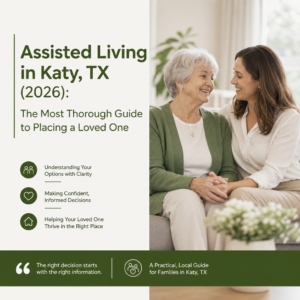
Moving later in life brings unique emotional and practical challenges. In this first part, you’ll learn how supporting older adults through life’s biggest transitions starts with understanding what they face during a major move. You’ll see the core factors that shape their experience and how you can respond with clarity and care.
Why This Stage of Life Feels Different
You handle a move in your younger years with momentum. You expect change, and you often choose it. Later in life, the context shifts. A move can represent loss, identity changes, or a sudden need for support. Because of that, older adults approach transitions with a different emotional load.
You see this clearly when a move follows a health event. Choices may feel rushed. Roles in the family may shift. Daily routines may change overnight. For this reason, your support needs to account for more than logistics. You need awareness of how each factor shapes the experience.
Emotional Weight Behind the Decision
A major move often forces older adults to confront change all at once. You may see fear of losing independence. You may see worry about the future. You may also see grief over leaving a familiar home.
These emotions are not obstacles. They are signals. When you pay attention to them, you create space for trust. As a result, you support the transition with steadiness rather than pressure.
Practical Realities That Add Stress
Next, consider the practical side. Sorting belongings, evaluating care needs, and planning next steps can overwhelm anyone. For older adults, these tasks can feel even heavier because each decision carries history and meaning.
You help by breaking tasks into smaller steps. You guide conversations with clarity. You simplify choices. When you do this, you reduce pressure and make room for thoughtful decisions.
How Awareness Shapes Better Support
When you understand what older adults experience during a move, you respond with more empathy, accuracy, and patience. You avoid assumptions. You focus on what matters. You guide the process in a way that reduces stress instead of adding to it.
This awareness is the foundation for supporting older adults through life’s biggest transitions with confidence and respect.
How to Provide Steady, Compassionate Support During a Move
Introduction
You play a crucial role in supporting older adults through life’s biggest transitions. In this section, you’ll learn practical ways to offer clear, steady, and compassionate support during a major move. You’ll see how simple actions reduce stress and build trust.
Start With Honest, Calm Communication
Clear communication anchors the entire process. You set the tone when you speak in a calm, direct way. You explain what will happen and why. You check for understanding. You keep next steps predictable.
Older adults often feel overwhelmed by rapid change. Because of that, your steady presence helps them navigate hard decisions. When you avoid pressure and offer clarity, you create a sense of safety.
Give Them Agency Wherever Possible
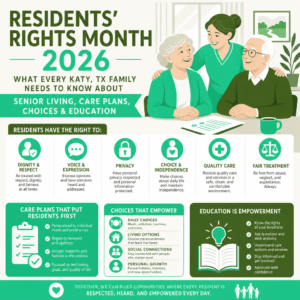
Losing control is one of the most difficult parts of a major move. For this reason, you strengthen the experience by giving older adults agency.
You can:
- Offer two or three clear choices instead of many.
- Ask for their preferences early.
- Confirm decisions before moving forward.
These small steps help them feel heard. They also reinforce dignity during a transition that can otherwise feel destabilizing.
Break Tasks Into Manageable Steps
Next, simplify the workload. A move can feel impossible when someone sees it all at once. You reduce that pressure by breaking the process into smaller, predictable tasks.
You might sort one room at a time. You might review belongings in short sessions. You might schedule rest periods. As a result, the transition feels workable instead of overwhelming.
Guide Emotional Moments With Steady Support
Strong emotions surface for many reasons. A home may hold decades of meaning. Health challenges may add fear. Family roles may shift in ways no one expected.
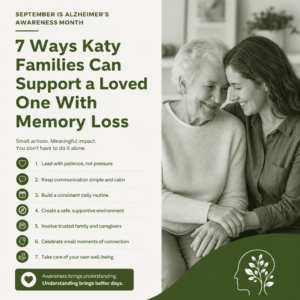
You don’t need to solve those emotions. You need to acknowledge them. When you remain present and grounded, you help older adults move through the moment without feeling rushed or dismissed.
Your steadiness strengthens trust, which is at the center of supporting older adults through life’s biggest transitions.
Use Simple Tools to Reduce Stress
Also consider tools that make the process easier:
- A written timeline.
- A short checklist.
- Labels and color-coded boxes.
- A shared folder for key documents.
These tools create structure. Structure reduces uncertainty. Uncertainty is one of the major sources of stress during any transition.
Build a Support Network Around Them
No one should navigate a major move alone. You strengthen outcomes when you coordinate support among family members, professionals, and community resources. Each person plays a role. Each role reduces burden.
When older adults feel surrounded by capable, caring support, the entire move becomes more manageable.
Creating Stability After the Move
Help Them Settle Into New Routines
A move does not end when the last box is unpacked. Older adults need steady routines to regain a sense of control. You help by establishing simple daily habits right away. This might include meal times, medication schedules, or morning and evening rituals. Because of that structure, the new environment starts to feel predictable instead of uncertain.
Consistency builds confidence. When routines stay clear and steady, older adults adjust faster and with less stress.
Make the New Space Feel Familiar
Next, bring familiarity into the new home. Start with meaningful items. Favorite photos, well-used furniture, or sentimental objects create immediate comfort. Place them where they can be seen and reached easily.
You also help by setting up practical zones: a reading chair, a kitchen workstation, or a spot for important papers. These small touches support orientation and reduce confusion. Familiarity is essential when supporting older adults through life’s biggest transitions.
Strengthen Social Connection
Social connection stabilizes mood and reduces loneliness after a major move. You can encourage regular visits, phone calls, or community activities. You might also introduce neighbors or staff if they now live in a care setting.
Even brief interactions help older adults feel anchored. As a result, they adjust with more ease and confidence.
Monitor How They’re Coping
Pay close attention to how they respond in the first weeks. Look for signs of stress, withdrawal, or frustration. When you notice these shifts early, you can respond with clarity and support.
A simple check-in each day makes a difference. Ask what feels comfortable and what doesn’t. These conversations keep small issues from turning into larger ones.
Keep Decisions Simple and Clear
Decision fatigue often lingers after a move. You help by offering clear, limited choices. You guide conversations with patience. You avoid rushing. This approach reduces overwhelm and builds trust.
When communication stays simple, older adults can focus on what matters most.
Reinforce Their Sense of Independence
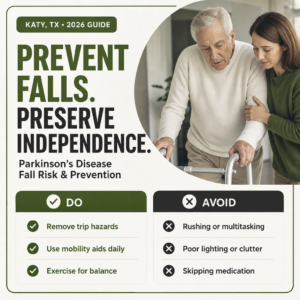
Independence remains central to identity. For this reason, continue offering opportunities for choice and involvement. Encourage them to handle tasks they feel confident doing. Support them only where needed. This balance strengthens dignity in a new chapter of life.
Your steady presence is key in supporting older adults through life’s biggest transitions long after the move ends.