
Memory Care or Home Care?
Choosing between memory care and home care is one of the most consequential decisions families face when someone develops dementia. This article explains what each model is, how they differ in services, staffing, safety, and cost, and offers a stage-based decision framework to help families match needs to the right residential care setting. You will learn clear definitions, a side-by-side cost and services comparison, safety and socialization trade-offs, and practical financial and legal steps to prepare for care transitions. The guide highlights concrete indicators—falls, wandering, dependence on activities of daily living (ADLs)—that often trigger escalation from in-home support, enabling aging in place, to a secure memory care setting or a broader senior living community. It provides checklists and comparison tables to simplify planning for caregivers. Read on for an evidence-focused, stage-aware approach to deciding whether in-home dementia care or a memory care community best meets your loved one’s health and quality of life needs.
What Are Memory Care and Home Care for Dementia?
Memory care and in-home dementia care are two distinct health care models that serve older adults with cognitive impairment but operate very differently. Memory care refers to specialized residential units or communities, often within assisted living facilities, designed for people with dementia. These facilities feature secure environments, staff trained in dementia-specific approaches, structured activities, and centralized medication management and ADL (activities of daily living) support for residents. In-home dementia care means bringing trained caregivers, aides, or therapists into the person’s home to provide individualized support—ranging from companionship and ADL assistance to skilled nursing visits—while preserving the familiar environment. The choice often depends on the dementia stage, safety risks, caregiver capacity, and cost tipping points, with home care favoring early stages and memory care typically recommended when 24/7 supervision or secure wandering prevention becomes necessary. Understanding these basic differences sets up a focused comparison of services, safety, and finances that follows.
Research has explored the effectiveness of home care versus institutional care, such as a nursing home or other long term care facilities, offering insights into various outcomes for elder health.
Home Care vs. Institutional Care Outcomes
The categories of comparisons included: home with support versus independent living at home (n= 11 reviews), home care versus institutional care (n= 3 reviews), and rehabilitation at home versus conventional rehabilitation services (n= 7 reviews). Two reviews had data relevant to two categories. Most reviews favoured home with support to independent living at home. Findings comparing home care to institutional care were mixed.
Impact of home care versus alternative locations of care on elder health outcomes: an overview of systematic reviews, F Légaré, 2017
What Defines Memory Care Facilities for Dementia Patients?
Memory care facilities, often referred to as assisted living memory care or specialized memory care services, are characterized by design and staffing choices that reduce risk and support cognition through routine and structure for residents. These units typically provide 24/7 supervision, secure entry and exit systems to prevent wandering, and staff trained in dementia-specific techniques such as validation therapy, cueing for activities of daily living (ADLs), and de-escalation of agitation. Medication management, often overseen by nursing staff, on-site meals, group cognitive stimulation programs, and built-in social activities are common. Physical environments are adapted for accessibility with clear sightlines, non-slip flooring, and secured outdoor spaces to support safe movement, including for those using a wheelchair, and feature accessible bathrooms. Specialized staff credentials often include training in dementia care best practices and ongoing in-service education, which improves behavioral management and lowers acute safety events, adhering to health care regulation. The next section contrasts those features with what in-home dementia care can realistically offer.
What Is In-Home Dementia Care and Its Benefits?
In-home dementia care delivers personalized assistance where the person feels most comfortable, focusing on individualized routines, familiar surroundings, and family involvement, enabling aging in place. Typical in-home services include companionship, assistance with activities of daily living (ADLs) like bathing and dressing, medication reminders, meal preparation, light housekeeping, laundry, and coordination with clinicians; some models add visiting skilled nurses or therapists for medical needs, enhancing overall health. The main benefits are preserved routines, reduced disruption, and the ability to tailor schedules and activities to personal preferences, which can lower anxiety and sustain identity and quality of life. Limitations include inconsistent staffing, higher per-hour costs for 24/7 coverage, and potential caregiver burnout for family members who shoulder supervision; options like respite care can help, but safety retrofits and monitoring technology can reduce some risks but do not fully replicate facility-level supervision or the comprehensive assisted living services found in a community. Understanding these strengths and limits clarifies the practical trade-offs families face when comparing cost and services.
The value of home-based care is increasingly recognized for its ability to improve patient lives and reduce health care costs, a finding supported by ongoing research.
Benefits of Home-Based Dementia Care
Home-based primary care (HBPC) improves the lives of high-cost, frail, homebound patients and their caregivers while reducing costs by keeping patients at home and reducing the use of hospitals and nursing homes. Several forces are behind the resurgence of HBPC, including the rapidly aging population, advancements in portable medical technology, evidence showing the value of HBPC, and improved payments for HBPC.
House calls are reaching the tipping point—now we need the workforce, 2019
How Do Memory Care and Home Care Compare in Cost and Services?
Comparing memory care and home care requires looking at monthly facility fees versus hourly in-home rates, included services, staffing levels, and security features to find the cost–safety tipping point. Memory care prices, often reflecting assisted living costs or senior living cost structures, are usually framed as a monthly fee that bundles housing, meals, activities of daily living (ADL) assistance, medication management, and structured programming. Home care, conversely, is often charged hourly with additional costs for skilled nursing visits and travel. A common practical rule is that when paid home care hours approach roughly 40 hours per week, facility care, such as an assisted living facility, frequently becomes more economical and offers more consistent supervision. Below is an at-a-glance comparison table to summarize typical cost drivers and included services.
Different care settings bundle costs and services in distinctive ways.
This comparison shows how memory care packages routine services that would be additive in home care, which affects when families reach the cost tipping point between settings.
What Are the Cost Differences Between Memory Care and Home Care?
Memory care is usually expressed as a bundled monthly fee while home care is billed hourly; the gap narrows as in-home hours increase and specialized services are required. Key cost drivers for memory care, often reflecting assisted living costs, include facility overhead, specialized programming, and staffing ratios, while home-care costs rise with travel time, overtime, and the need for multiple aides to cover nights or 24/7 shifts. An illustrative example: if hourly in-home care averages $25 to $30 per hour, 40 hours per week translates to a monthly expense that can exceed many facility fees once you add overnight coverage and respite substitutions. Geographic variation is significant—urban markets and high-cost regions, such as those found in Pennsylvania, Denver, North Carolina, Oregon, or Arlington, raise both monthly facility rates and in-home hourly wages—so families should compare local averages. These cost dynamics inform the practical tipping point when a memory care community becomes the more sustainable option for continuous supervision and safety, impacting the overall senior living cost.
The concept of a “tipping point” for transitioning to residential care, such as a nursing home or assisted living facility, is a common experience for families, often emerging as a gradual realization.
Dementia Care Home Tipping Point
the ‘tipping point’ came as a more gradual realisation about the need for residential care. We were able to talk with carers whose care home fees were self-funded, as well as some
‘The time has come’: reflections on the ‘tipping point’in deciding on a care home move, L Cole, 2022
Which Services and Safety Features Are Provided in Each Care Setting?
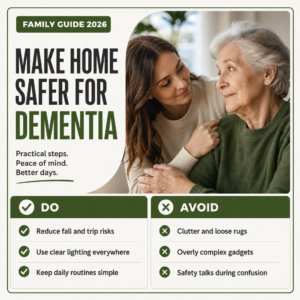
Memory care and home care both address activities of daily living (ADL) support and medication needs, but they differ in how safety and therapeutic programming are implemented. Memory care, often found within assisted living facilities, commonly offers secure perimeters, wandering alarm systems, structured group cognitive therapies, communal dining with supervised meals, and staff trained to manage behavioral changes. Home care can provide personalized ADL assistance, companion services, and in-home therapies, and it can leverage technology—motion sensors, camera systems, and emergency response systems—to improve safety, although these technologies do not replace continuous human supervision. Retrofitting homes with grab bars, improved lighting, and simplified layouts enhances accessibility and reduces fall risk, particularly in areas like the bathroom, and can accommodate a wheelchair. Memory care environments are designed with dementia-friendly wayfinding and group engagement in mind, often with nursing oversight. Families should weigh the relative importance of secure, round-the-clock supervision versus preservation of the home environment when evaluating these health care features.
Memory care typically includes:
- 24/7 supervision: Continuous staff presence, often including nursing staff, to reduce wandering risk.
- Structured programming: Daily cognitive, social, and physical activities (like exercise and therapy) tailored to dementia needs, supporting activities of daily living.
- On-site medication management: Centralized oversight of prescriptions and changes.
Home care typically includes:
- Personalized ADL support: One-on-one assistance with bathing, dressing, grooming, meal preparation, light housekeeping, and laundry.
- Flexible scheduling: Visits tailored to routine and family preferences.
- Technology-enabled safety: Sensors and alerts that supplement caregiver presence.
These lists illustrate how services are bundled differently; the next section explains when those differences become decisive for care placement.
When Should Families Choose Memory Care or Home Care for Dementia?
Choosing a care setting for older adults depends on dementia stage, safety incidents, family capacity, and the person’s preferences; a stage-based checklist helps convert these factors into action. Early-stage dementia often benefits from in-home supports that emphasize cognitive stimulation, routines, and outpatient therapies while preserving independent living. Moderately advanced dementia introduces increased supervision needs—wandering, sundowning, medication lapses—that may favor memory care’s structured environment and trained staff, often found in assisted living communities. Late-stage dementia frequently requires 24/7 skilled supervision and complex medical management, making a secure memory care unit, a nursing home, or higher-level nursing care within long term care facilities the safer health care option for residents. The table below maps stages and common indicators to recommended care approaches to provide a quick decision aid for families deliberating a transition.
Stage-based indicators map to practical care recommendations.
This mapping helps families identify concrete triggers—falls, wandering, ADL loss—that signal the need to intensify care or transition settings.
How Does Dementia Stage Influence the Choice of Care?
Dementia stage defines health care needs for older adults by level of supervision, activities of daily living (ADL) dependence, and behavioral risk; each stage has typical escalation indicators. In the early stage, cognitive stimulation, medication optimization, and support for instrumental ADLs allow many people to age in place with intermittent in-home services, and clinicians often recommend establishing routines and home modifications. In moderate stages, supervision must increase because wandering, agitation, and inconsistent medication adherence create safety concerns that are difficult for family caregivers to manage alone; this is the point where many families weigh memory care’s secure environment, often found within assisted living communities. Late-stage dementia usually involves complex medical care needs—feeding support, frequent repositioning, and symptom management—that require continuous, skilled staffing available in specialized memory care, nursing settings, or long term care facilities like a nursing home. Understanding these stage-specific needs clarifies why timing and monitoring are critical in deciding when to move to facility-based care for residents.
What Role Do Patient Preferences and Family Support Play?
Patient preferences and family caregiver capacity significantly shape the practical choice between home care and memory care, and they should guide planning from the start for older adults. Families should assess willingness to move, emotional impact of relocation, and the person’s ability to adapt to new routines; where possible, involve the person in decisions and trial periods to evaluate fit, considering their overall quality of life. Caregiver capacity—available time, physical ability, and signs of burnout such as chronic fatigue or declining health—directly affects safety and sustainability; respite care, adult day programs, or supplemental aides can extend home care viability but may not eliminate the need for facility placement, such as in an assisted living or senior living community. Structured family meetings that set realistic responsibilities, assign tasks, and involve clinicians help align expectations and create contingency plans for escalation. These social and logistical factors often determine whether home care remains feasible or whether memory care becomes the safer, more consistent option, impacting socialization opportunities.
Questions families should ask when deciding:
- Can our household safely provide 24/7 supervision if needed, supporting aging in place?
- Does the person with dementia want to remain at home, and can they adapt to change while maintaining their quality of life?
- Are there signs of caregiver burnout that compromise safety or continuity of care?
Caregiver support and patient preference both matter; the next section focuses on activities and social engagement that influence quality of life across settings.
What Activities and Social Opportunities Support Dementia Care?
Activities and social engagement are central to maintaining quality of life, reducing agitation, and preserving cognitive function for older adults with dementia. Both memory care communities (often part of a senior living community or assisted living) and in-home settings can support meaningful engagement for residents. Memory care commonly delivers structured group activities—remembrance therapy, group exercise, music and art therapy, and occupational therapy sessions—designed to stimulate cognition and provide routine. In-home care can replicate individualized activities that align closely with personal history, preferences, and daily routines, and can leverage family involvement for meaningful reminiscence and tailored stimulation. The choice between group-based and individualized activities depends on the person’s social needs, mobility, and responsiveness to group engagement; effective care plans often blend both approaches. Below are examples of programs and practical ideas families can use to enhance social interaction and socialization in either setting.
How Do Memory Care Facilities Promote Social Interaction and Cognitive Health?
Memory care programs commonly use structured, evidence-informed activities, supported by ongoing research and staff education, to support cognitive health, reduce isolation, and create predictable daily rhythms. Typical offerings include group reminiscence sessions that use photos and music to trigger memory, supervised group exercise to maintain mobility and mood, occupational therapy that targets activities of daily living (ADL) skills, and cognitive stimulation programs designed to preserve function. These activities are not just recreational; they are therapeutic interventions that can decrease agitation, improve sleep patterns, and foster social bonds among residents, promoting socialization. Group formats also provide built-in social opportunities that reduce reliance on family visits for engagement, which can be especially valuable when caregivers live at a distance. Understanding how facility programming complements medical management, often with nursing oversight, helps families evaluate the likely benefits of a memory care placement.
What Are the Challenges and Benefits of Socialization in Home Care?
Socialization at home preserves intimacy and familiar relationships for older adults but can be limited by the lack of peer groups and caregiver time constraints; thoughtful strategies can address these gaps to maintain quality of life. Benefits include engagement in personalized routines, visits from family and friends, and activities tied to lifelong roles and preferences, which can maintain identity and reduce confusion. Challenges include fewer opportunities for peer interaction, transportation barriers to community programs (which might offer exercise or therapy), and caregiver fatigue that limits time for social activities—risks that increase isolation if not mitigated. Practical solutions include enrolling the person in adult day programs, arranging volunteer visitor programs, using virtual activities and technology to expand social contact, and scheduling regular community outings when feasible. These mitigations can extend the viability and psychosocial benefits of in-home care for many families.
Low-cost activity ideas for home:
- Reminiscence boxes: Curated items to prompt conversations and memories, a form of therapy.
- Simple music sessions: Familiar songs to improve mood and recall.
- Sensory walks: Supervised short outings focused on smell and touch to stimulate engagement and provide light exercise.
These activity strategies complement safety and care planning discussed next.
How Can Families Plan Financially and Legally for Dementia Care?
Financial and legal planning early in the course of dementia reduces stress and preserves options for health care transitions; families should address budgets, insurance, and legal authority proactively. Medicare typically limits long-term custodial care coverage, while Medicaid and long-term care insurance have distinct eligibility and benefit rules that influence whether memory care or home care is affordable, impacting overall assisted living costs or senior living cost. Immediate practical steps include creating a realistic budget, reviewing existing insurance, contacting benefits programs, and consulting an elder law attorney about powers of attorney and trust options to protect assets and plan for potential facility care, including long term care facilities. The table below lists financial and legal resource types alongside practical next steps families can take to start planning without delay.
This resource-oriented table helps families convert financial and legal categories into immediate actions.
These steps provide a roadmap to convert confusing options into concrete actions that protect finances and care choices.
What Financial Considerations Affect Memory Care and Home Care Choices?
Key financial considerations include payment model (hourly vs monthly), the escalating cost of 24/7 in-home care, insurance coverage limits, and geographic price variation. Families should calculate the full cost of in-home care when multiple aides, overtime, and travel premiums are required, and compare that to bundled memory care fees that often include meals, housekeeping, laundry, and activities, reflecting typical assisted living costs or senior living cost structures. Long-term care insurance policies vary widely; examine elimination periods, covered services, and inflation riders to understand true value. Early financial planning—assessing assets, consulting a financial counselor, and timing benefit applications for programs like Medicaid or understanding Medicare limitations—reduces last-minute crises and preserves more options for financial management when care needs escalate.
What Legal and Support Resources Are Available for Dementia Care?
Essential legal documents include durable powers of attorney for health care and finances, living wills, and guardianship planning when capacity declines; securing these early empowers families to act promptly for older adults. Support resources include national organizations, local Area Agencies on Aging, and clinician referrals that can provide care planning, respite options, and benefits navigation, offering education and research-based insights for aging in place. To find vetted legal help, request referrals from trusted aging-services organizations and verify attorneys with elder law credentials; many communities offer low- or no-cost consultations for qualifying families, navigating complex regulation. Establishing these legal structures and support connections early prevents delays in decision-making when care needs intensify.
Immediate legal steps to take:
- Execute durable powers of attorney for healthcare and finances while capacity remains.
- Create advance directives to specify care preferences for later stages.
- Identify a trusted guardian or surrogate decision-maker and document the selection legally.
Solid legal preparation complements the financial planning outlined above and supports smoother transitions across care settings.
What Are Common Questions About Memory Care vs Home Care for Dementia?
Families commonly ask whether an older adult with dementia is better off at home or in a memory care facility, or other senior living options like assisted living or a nursing home, and when 24-hour care becomes necessary; concise, practical answers help guide next steps. There is no one-size-fits-all answer: suitability depends on safety, behavioral symptoms, caregiver capacity, and stage of dementia, all impacting their health and quality of life. Consider trial periods of increased home supports or short-term stays in residential settings to test fit, and consult clinicians to evaluate risk and medical needs. Below are direct answers to two high-value questions in PAA-style to aid quick decision-making.
Are Dementia Patients Better Off at Home or in Memory Care Facilities?
There is no universal “better” option for older adults with dementia; the right setting balances safety, quality of life, and caregiver capacity, impacting their overall health. Home care supports aging in place, familiar routines, and personalized activities, making it ideal when supervision needs are moderate and family or community supports are reliable. Memory care, often found within assisted living or senior living facilities, is often better when unsafe behaviors emerge—such as wandering, frequent falls, uncontrolled agitation—or when consistent 24/7 supervision and structured programming are required. Families should weigh indicators like activities of daily living (ADL) dependence and repeated safety incidents, consider a trial period, and involve clinicians in the decision.
When Do Dementia Patients Typically Need 24-Hour Care?
Older adults with dementia typically need 24-hour care when observable triggers indicate consistent safety or medical risks that cannot be managed by intermittent in-home support. Common triggers include frequent falls, unsupervised wandering, inability to reliably take medications, severe nighttime agitation or sundowning, and progressive loss of basic activities of daily living (ADLs) such as eating or toileting. When these indicators appear, families should involve the primary clinician to confirm the need for escalation and explore alternatives such as increased in-home staffing, specialized equipment, or transition to a memory care setting, an assisted living community, a nursing home, or other long term care facilities. Planning for these health care scenarios ahead of time reduces emergency placements and improves outcomes and risk management.
- Frequent falls: Immediate reassessment of supervision and environment is necessary, potentially requiring a move to a more secure assisted living or nursing home setting.
- Unmanaged wandering: Secure settings or monitored arrangements, often found in memory care or long term care facilities, reduce fatal risks.
- Complete ADL dependence: Consider a setting with continuous skilled nursing support.
These direct answers aim to help families prioritize safety while preserving autonomy where possible.
Frequently Asked Questions
What are the key differences in caregiver qualifications between memory care and home care?
Caregiver qualifications vary significantly between memory care and home care settings. Memory care staff, often in assisted living facilities, typically undergo specialized training in dementia care techniques, including behavioral management and therapeutic communication. They are often required to have certifications in areas such as first aid and CPR, as well as ongoing education in dementia-related topics, adhering to health care regulation. In contrast, home care aides may have varying levels of training, often focusing on basic personal care skills, with some offering skilled nursing support. Families should inquire about specific qualifications and training programs to ensure caregivers are equipped to meet their loved one’s needs.
How can families assess the quality of care in memory care facilities?
Assessing the quality of care in memory care facilities, including assisted living facilities or even nursing homes, involves several steps to ensure optimal health care and quality of life. Families should visit potential facilities to observe staff interactions with residents, check for cleanliness, and evaluate the safety features in place. Asking about staff-to-resident ratios, staff training, and turnover rates can provide insights into the level of care provided. Additionally, families can seek reviews from current residents and their families, and consult state inspection reports to understand any past violations or complaints, which are part of state regulation. Resources like the American Health Care Association can also offer guidance. Engaging in open discussions with facility management about care practices can also help gauge quality.
What role does technology play in enhancing safety in home care settings?
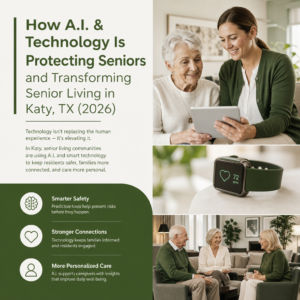
Technology plays a crucial role in enhancing safety and health management in home care settings for individuals with dementia. Devices such as motion sensors, GPS tracking systems, and emergency response systems can help monitor the individual’s movements and alert caregivers to potential issues. Smart home technology, including automated lighting and voice-activated assistants, can assist with daily routines and reduce the risk of accidents, improving accessibility, especially in areas like the bathroom or for those using a wheelchair. Additionally, video monitoring systems can provide families with peace of mind by allowing them to check in on their loved ones remotely, ensuring they are safe and well-cared for.
How can families prepare for the emotional impact of transitioning to memory care?
Transitioning to memory care, often within an assisted living or senior living community, can be emotionally challenging for both the older adult and their family. To prepare, families should engage in open conversations about the move, addressing fears and concerns. It can be helpful to involve the person with dementia in the decision-making process, allowing them to express their preferences and consider their quality of life and socialization needs. Planning visits to the memory care facility before the move can also ease anxiety. Additionally, families should seek support from counselors or support groups, or consider respite care options, to navigate their feelings and learn coping strategies, ensuring a smoother transition for everyone involved.
What are the signs that indicate a need for increased supervision in home care?
Several signs may indicate a need for increased supervision in home care for older adults with dementia, signaling potential caregiver strain. Frequent incidents of wandering, confusion about time or place, and repeated medication mismanagement are critical indicators. Additionally, noticeable changes in behavior, such as increased agitation or withdrawal, can signal that the current level of care is insufficient. Physical signs, like frequent falls or injuries, also warrant a reassessment of supervision needs. Families should regularly evaluate these factors and consult health care professionals or nursing staff to determine if transitioning to a more structured care environment, such as an assisted living facility, a nursing home, or other long term care facilities, is necessary.
What financial assistance options are available for families considering memory care?
Families considering memory care have several financial assistance options available. Medicaid can provide coverage for eligible individuals, but the application process can be complex and requires early planning, often subject to state regulation. Long-term care insurance policies may cover some costs associated with memory care, depending on the policy specifics, impacting overall assisted living costs or senior living cost. Additionally, veterans may qualify for benefits through the VA, which can help offset expenses for long term care facilities or a nursing home. Medicare typically offers limited coverage for long-term custodial care. Local Area Agencies on Aging often offer resources and guidance on financial planning for care, including information on state-specific programs that can assist families in managing costs effectively.