
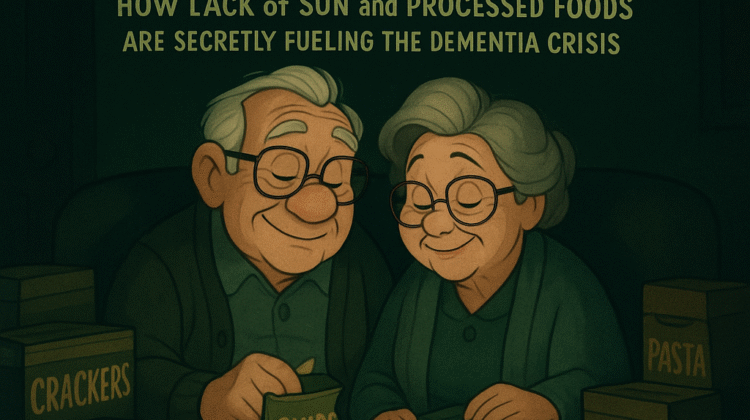
☀️ The Silent Deficiency: How Lack of Sun and Processed Foods Are Secretly Fueling the Dementia Crisis
Table of Contents
- The Unseen Erosion: Unmasking the Dual Threat to Cognitive Health
- The Vitamin D Paradox: Sunlight, Senior Living, and the Brain Barrier
- The Ultraprocessed Assault: Decoding the Diet of Cognitive Decline
- The Gut-Brain Axis: Inflammation, Anxiety, and Nutritional Intervention
- A New Path Forward: Practical Steps for Caregivers
The Unseen Erosion: Unmasking the Dual Threat to Cognitive Health
It is one of the most agonizing conversations a family can have: realizing that the parent who once guided you is now struggling with their own mind. The fear, the guilt, and the overwhelming confusion that accompany a dementia diagnosis can feel paralyzing. As you begin the search for senior living options and investigate the cost of memory care, a central question lingers: Why is this happening, and what could have been done differently?
While genetics play a role, the current surge in cognitive decline is too rapid, too widespread to be purely genetic. The truth lies not in a sudden, dramatic event, but in a quiet, long-term erosion fueled by two overlooked forces of modern life: chronic deficiency in essential nutrients, primarily Vitamin D, and the decades-long reliance on ultraprocessed foods. This isn’t just about aging; it’s about a fundamental mismatch between the human brain’s nutritional needs and the realities of the modern lifestyle.
For adult children researching care, understanding this connection is critical. It shifts the narrative from inevitable decline to manageable, lifestyle-driven risk. It provides a sense of control when you are otherwise feeling lost in the complexity of assisted living versus nursing home care. Your parent’s journey is influenced by their lifetime of environmental exposures and dietary choices, and we must investigate these foundational elements to truly understand the crisis.
Consider the dramatic shift in how we live. Our ancestors spent significant time outdoors, exposed to the natural rhythm of the sun. Today, seniors, particularly those with mobility issues or in urban settings, often spend less than thirty minutes a day in direct sunlight. This sun avoidance, driven by genuine concerns over skin health, inadvertently creates a biochemical deficiency that silently undermines the brain’s resilience. Simultaneously, the convenience and low cost of ultraprocessed foods—the frozen dinners, the packaged snacks, the sugary beverages—have replaced the whole, nutrient-dense ingredients that the brain needs to thrive. These foods are not just empty calories; they are actively inflammatory, setting the stage for the very pathology we fear.
This dual exposure—a deep, systemic nutrient deficit coupled with a constant inflammatory dietary burden—creates the perfect storm for cognitive decline. Your worry about how to pay for long term care is valid, but so too is your curiosity about the root causes. By exploring the science behind the “sunlight deficiency” and the “processed food assault,” we can find clarity and, more importantly, discover practical ways to support a parent’s cognitive health, whether they are still at home or transitioning to a specialized community. The subsequent sections will pull back the curtain on the specific mechanisms, beginning with the critical, but often ignored, role of Vitamin D.
The Vitamin D Paradox: Sunlight, Senior Living, and the Brain Barrier
The conversation around dementia often focuses on genetics or the tragic accumulation of plaques and tangles, but the crucial role of Vitamin D is frequently missed. This is a profound oversight, as Vitamin D is not merely a vitamin; it functions more like a steroid hormone, with receptors found throughout the body, including vital regions of the brain responsible for memory and executive function, such as the hippocampus and prefrontal cortex. The connection is so strong that research consistently links low serum levels of $25\text{OHD}$—the measurable form of Vitamin D—with increased risk and accelerated progression of cognitive impairment.
The paradox for families researching how to pay for senior care is this: adult children are often seeking comfortable, protective environments for their parents, but these very indoor environments can exacerbate a Vitamin D deficiency that started decades ago. When searching for the best assisted living facilities near me, it is crucial to inquire about structured outdoor time and the facility’s nutritional philosophy regarding supplementation.
Vitamin D’s primary function in the brain is neuroprotection. It helps regulate calcium levels, supports nerve growth factor production, and, most importantly, acts as a potent anti-inflammatory agent. Chronic, low-grade inflammation is now recognized as a major driver of Alzheimer’s disease. When the body lacks sufficient Vitamin D, the brain is left without one of its main defenses against inflammatory damage. Furthermore, studies suggest that adequate Vitamin D levels may play a role in clearing amyloid plaques, the toxic protein fragments characteristic of Alzheimer’s.
For seniors, achieving optimal levels is challenging. The skin’s ability to synthesize Vitamin D from sunlight diminishes significantly with age, sometimes by up to 75% compared to a younger adult. Add to this the reality of northern latitudes, seasonal changes, and the shift toward an indoor lifestyle, and a deep deficiency becomes almost inevitable. This is especially relevant when a parent is experiencing initial cognitive symptoms, as addressing this deficit could be a tangible, non-invasive step to support brain health. When considering what questions to ask on a senior living tour, one should certainly include: “What is your policy on outdoor activities, and do you monitor or manage Vitamin D supplementation for residents?”
This isn’t just theoretical; it has practical implications for caregivers. If your parent is struggling with memory, ensuring they are tested for Vitamin D levels is a foundational step. Supplementation, managed under a physician’s care, can be a high-impact intervention. We are not talking about simple bone health; we are talking about nourishing the brain’s ability to repair and protect itself. The transition to a community, while providing excellent care and social engagement, must not come at the expense of sun exposure or proper nutritional focus. This same principle of systemic health being tied to brain health brings us to the second pillar of the crisis: the silent but potent danger of ultraprocessed foods.
The Ultraprocessed Assault: Decoding the Diet of Cognitive Decline
If Vitamin D deficiency is the hidden wound of the modern brain, ultraprocessed foods (UPFs) are the chronic irritant that keeps the wound inflamed. These are not merely foods with a few added ingredients; they are formulations primarily made from industrial ingredients and chemical additives, often containing high levels of refined sugar, unhealthy fats (like industrial seed oils), and little to no genuine nutritional fiber or micronutrients. Their convenience is paid for with a heavy toll on cognitive health, which is a difficult reality for adult children grappling with the guilt of a parent’s decline. Understanding the role of diet is key to making informed decisions about in-home care services or selecting a community that prioritizes genuinely healthy meals.
The scientific community is increasingly recognizing a clear link between the regular consumption of UPFs and elevated risk for both depression and dementia. The mechanism is multi-layered. First, these foods are profoundly pro-inflammatory. The high glycemic load from refined carbohydrates causes rapid spikes in blood sugar, leading to systemic inflammation, which directly damages the delicate vasculature of the brain. When you are looking into how much does assisted living cost in Texas, you are right to also consider the cost of poor nutrition—it is ultimately immeasurable.
Second, UPFs are micronutrient deficient. They displace whole foods—fruits, vegetables, nuts, and fish—that provide the essential vitamins, antioxidants, and Omega-3 fatty acids required for neuronal communication and brain repair. The brain is an energetically demanding organ, and when its fundamental building blocks are missing, its complex processes begin to falter. This lack of essential fatty acids, in particular, affects the integrity of cell membranes, impacting the brain’s ability to send and receive signals. This can compound the confusion and memory issues your parent may be experiencing.
A core issue is the abundance of toxic fats like trans fats and oxidized seed oils commonly used in UPFs. These fats are highly susceptible to oxidation, generating free radicals that cause oxidative stress—a major pathway in neurodegeneration. When researching what are the different types of senior living, it is paramount to look beyond the amenities and scrutinize the menu. Are they serving fresh, whole foods, or are the meals predominantly pre-packaged and preserved? Choosing a community that invests in a chef and a farm-to-table philosophy is a tangible way to support cognitive vitality.
This dietary assault doesn’t work in isolation; it directly affects the body’s internal ecosystems. The next vital step in understanding this crisis is to look beneath the surface, specifically at the hidden connection between what we eat and the community of microorganisms living within us—the gut-brain axis—which acts as the communication superhighway between the digestive system and the mind.
The Gut-Brain Axis: Inflammation, Anxiety, and Nutritional Intervention
The digestive system is far more than a mechanism for processing food; it is often referred to as the body’s “second brain,” hosting trillions of microorganisms collectively known as the gut microbiota. The integrity of the gut-brain axis—the bidirectional communication pathway linking the central nervous system and the enteric nervous system—is a pivotal, yet often ignored, factor in the development of chronic disease, including cognitive decline. When ultraprocessed foods break down the protective lining of the gut, they initiate a cascading process of inflammation that can reach the brain, making it harder for adult children to manage their parent’s mood swings and confusion, common challenges when contemplating respite care services.
The standard Western diet, heavy in sugar, processed fats, and lacking in fermentable fiber, systematically damages the beneficial gut bacteria while allowing pathogenic species to flourish. This imbalance, known as dysbiosis, leads to a compromise of the intestinal barrier, often described as “leaky gut.” When this barrier is breached, inflammatory molecules and bacterial byproducts can leak into the bloodstream. These molecules can cross the blood-brain barrier, triggering neuroinflammation. This chronic internal immune response is directly implicated in the pathology of Alzheimer’s and other forms of dementia, contributing to both the cognitive symptoms and related issues like anxiety, depression, and changes in personality that are so heartbreaking to witness.
For families researching what is the difference between home care and skilled nursing, it is important to realize that the quality of food is a medical intervention. A diet rich in prebiotic fiber (from vegetables, legumes, and whole grains) and probiotics (from fermented foods like yogurt and kefir) supports a diverse, healthy microbiome. This healthy microbial community produces short-chain fatty acids (SCFAs) like butyrate, which serve as fuel for colon cells and have powerful anti-inflammatory effects throughout the body and brain. Essentially, the gut bacteria act as protective agents, and when they are starved by a processed diet, the brain is left exposed.
This insight provides a crucial opportunity for intervention. Even in the later stages of cognitive decline, optimizing nutrition can stabilize mood, reduce anxiety, and support better overall health, which in turn improves the quality of life for both the resident and the caregiver. When evaluating memory care units, families should look for evidence of individualized nutritional plans and a commitment to whole, unprocessed foods. Ask about the source of their produce and meat. Are they focused on convenience, or on genuine nutritional density?
Understanding the gut-brain axis connects the dots between the sunlight deficiency, the processed food problem, and the silent brain crisis. It emphasizes that cognitive health is systemic—it cannot be treated as an isolated issue. Moving forward, the final and most practical section will synthesize these findings into actionable advice, giving adult children researching senior care resources concrete steps to support their loved ones and providing a robust, SEO-driven set of answers to the most common questions families type into search engines.
A New Path Forward: Practical Steps for Caregivers
A New Path Forward: Practical Steps for Caregivers and the SEO-Driven FAQ
The realization that your parent’s cognitive journey is inextricably linked to years of nutritional debt and lack of sun exposure can be difficult, but it also provides a powerful path forward. Instead of feeling overwhelmed by the diagnosis, adult children can channel their worry into tangible, high-impact interventions that support neuroplasticity and reduce the inflammatory load. The goal is no longer a miraculous cure, but maximizing the current cognitive function and improving the overall quality of life, which is paramount whether you are opting for in-home care providers or a dedicated assisted living community.
Here are the most practical, actionable steps families can implement today:
- Prioritize Light and Movement: This addresses the silent sun deficiency. Ensure your parent gets safe, non-burning sun exposure (without heavy sunscreen) for 15–30 minutes daily, if possible, especially during mid-day hours. A daily walk, even a short one, combines sunlight exposure with physical activity, which is a powerful stimulant for brain-derived neurotrophic factor (BDNF), a protein that encourages the growth of new neurons. If outdoor time is limited due to mobility or weather, utilize bright-light therapy lamps or ensure they spend time near large, sunny windows. When you tour a facility, look for beautiful, accessible courtyards and organized group walks.
- Execute a Radical Dietary Upgrade: This is the antidote to the ultraprocessed assault. The goal is to eliminate UPFs. Focus intensely on whole, single-ingredient foods: dark leafy greens, colorful berries (high in antioxidants), fatty fish rich in Omega-3s (like salmon), nuts, and seeds. Prioritize fiber-rich foods (beans, whole grains) to feed the beneficial gut bacteria. When assessing senior care menus, look for whole fruit over juice, water over soda, and an abundance of vegetables. This investment in premium nutrition can dramatically lower systemic inflammation.
- Strategic Supplementation: Consult your parent’s physician to test and aggressively normalize their Vitamin D levels. A target range above $50\text{ ng}/\text{mL}$ is often recommended for optimal brain health. Discuss adding Omega-3 fatty acids (DHA and EPA), which are essential building blocks for brain cell membranes, and high-quality B-complex vitamins, which play a critical role in nerve function and homocysteine regulation. This is a personalized medical intervention, not a guess.
- Structure and Emotional Support: Implement a simple, consistent daily routine. The anxiety and confusion associated with cognitive decline are often eased by predictability. As a caregiver, use a calm, reassuring tone and short, clear sentences. When researching Alzheimer’s care costs, remember that the highest value comes from compassionate staff trained not just in medical care, but in emotional intelligence and validated communication techniques.
By viewing the brain through this holistic lens—sunlight, nutrition, and systemic health—families can move past the paralyzing grief and into a position of proactive, informed caregiving. The decisions you make about their daily environment and diet, whether at home or in a continuing care retirement community, are the most powerful levers you have for slowing progression and preserving dignity.
Fully Developed SEO-Driven FAQ for Families
This section addresses the most common, high-intent questions families are typing into Google during their research phase, providing direct and authoritative answers.
Q1: How much does assisted living cost in Texas and what financial aid is available for dementia care?
A: The average monthly cost for assisted living in Texas is typically competitive, generally falling in the range of $4,000 to $5,500 per month, though this varies significantly by city (e.g., Dallas-Fort Worth is often higher), amenities, and the level of personalized care required. Dementia or Memory Care often carries an additional fee due to the specialized staffing and secure environment, potentially adding $500 to $2,000 to the monthly rate. Private funds are the primary payment source. However, you should thoroughly investigate:
- Long Term Care Insurance: Policies often cover a portion of assisted living or home care expenses.
- Veterans Aid and Attendance Pension: Available to eligible veterans or their surviving spouses who require help with Activities of Daily Living (ADLs).
- Medicaid Waivers: Texas has various Medicaid programs that may cover services in an Assisted Living setting, though they rarely cover the room and board portion.
Q2: What is the single most important question to ask on a senior living tour regarding nutrition?
A: The most critical question to ask is: “Are meals prepared from scratch using whole, fresh ingredients, and what is your policy on the use of ultraprocessed, pre-packaged, or convenience foods?” This is the key to understanding a facility’s commitment to anti-inflammatory, brain-supportive nutrition. A high-value answer will include mention of working chefs, scratch cooking, accommodating special dietary needs (like low-sugar or high-fiber), and a focus on fresh produce and healthy fats, directly addressing the core issues of dietary deficiency and inflammation.
Q3: What are the early signs that my parent needs professional memory care instead of in-home care?
A: The decision to transition to a specialized memory care unit is difficult, but it becomes necessary when safety, not just convenience, is compromised. Key signs include:
- Wandering or Elopement: Leaving the home unsupervised and becoming disoriented, which is a significant safety risk.
- Aggression or Severe Sundowning: Behavioral changes, agitation, and extreme confusion that staff or family can no longer safely manage at home.
- Decline in Personal Care: Inability or refusal to perform ADLs like bathing, dressing, and toileting, even with in-home assistance, leading to health risks.
- Caregiver Burnout: When the primary caregiver’s health (physical or mental) is critically compromised, the quality of care suffers. Specialized memory care provides 24/7 staffing and a secure environment, which in-home care often cannot match for advanced dementia.
Q4: Can changing a senior’s diet and adding Vitamin D supplements actually reverse or slow the progression of dementia?
A: While medical science is cautious about promising a “cure” or “reversal” for established neurodegenerative diseases like Alzheimer’s, robust lifestyle and nutritional interventions are widely recognized as powerful tools for slowing progression and significantly improving cognitive function and mood. Correcting a severe Vitamin D deficiency reduces systemic inflammation and supports neuroprotection, while eliminating ultraprocessed foods and improving gut health lowers the inflammatory burden. These actions can lead to improved memory, reduced anxiety, better sleep, and greater emotional stability, offering the senior and their family a much higher quality of life, which is the ultimate goal of effective senior care.