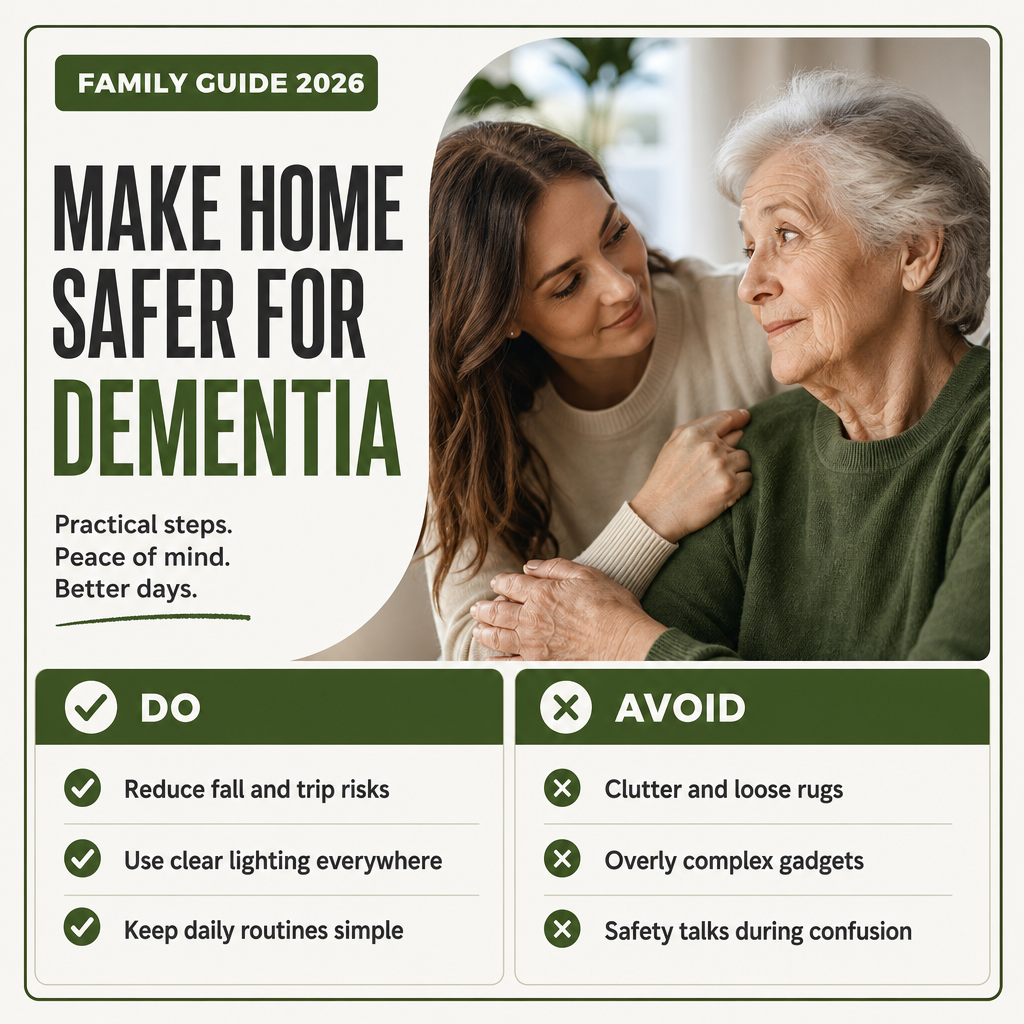
Dementia Safety: The Complete 2026 Guide for Families in Katy, TX
By Ivan Urrego | Last updated: May 2026
📋 Table of Contents
- Why Dementia Safety Matters More Than Most Families Realize
- The Most Common Dementia Safety Hazards at Home
- Wandering Prevention: The #1 Dementia Safety Emergency
- Fall Prevention Strategies for Dementia Patients
- Medication Safety and Dementia: What Families Must Know
- Kitchen and Bathroom Safety Modifications
- Sundowning and Evening Dementia Safety Risks
- Driving and Dementia: A Safety Line That Cannot Be Crossed
- Technology Tools That Strengthen Dementia Safety
- Caregiver Safety and Burnout: The Hidden Risk
- When Home Is No Longer Safe: Recognizing the Signs
- How Memory Care Communities Provide Superior Dementia Safety
- Frequently Asked Questions About Dementia Safety
1. Why Dementia Safety Matters More Than Most Families Realize
Dementia safety — protecting a person with dementia from physical harm, environmental hazards, and behavioral risks — is not a single checklist item. It is a full-time, evolving discipline that changes as the disease progresses.
More than 6.9 million Americans are currently living with Alzheimer's disease, according to the Alzheimer's Association 2025 Facts and Figures report. In Texas alone, that number exceeds 430,000 — and the Fort Bend and Harris County region, which includes Katy, TX, is among the fastest-growing senior populations in the state.
What makes dementia uniquely dangerous is the gap between how a person appears and how much risk they actually face. Someone in the early-to-middle stages may seem fine during a brief visit, yet leave a stove burner on, wander outside at 2 a.m., or take double doses of medication without realizing it. Families in Katy often tell us they were caught completely off guard by how quickly manageable quirks became genuine safety emergencies.
Understanding the full scope of dementia safety risks — and addressing them proactively — is the most important thing a family can do right now.
2. The Most Common Dementia Safety Hazards at Home
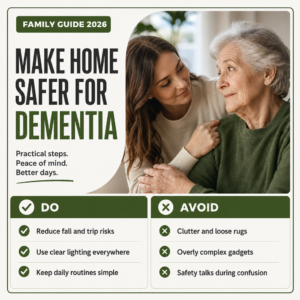
A home that felt perfectly safe five years ago can become a serious hazard when dementia enters the picture. The risks are everywhere — and they multiply as cognitive decline deepens.
Environmental Hazards
Loose rugs, poor lighting, unlocked cabinets containing chemicals or sharp objects, and unsecured staircases are among the most frequently cited home dangers for people with dementia. The National Institute on Aging recommends a room-by-room safety audit every six months as the disease progresses.
Behavioral Hazards
Impaired judgment leads people with dementia to engage in risky behavior they would have never considered before — opening doors to strangers, using tools unsafely, or consuming non-food items. These are not personality changes; they are direct symptoms of brain damage affecting the frontal lobe.
Social Hazards
Financial exploitation of seniors with dementia is a major and underreported crisis. According to the AARP, seniors with cognitive impairment lose an estimated $6.7 billion annually to financial fraud. Families in Katy should consider financial oversight tools alongside physical safety measures.
| Hazard Category | Common Examples | Risk Level |
|---|---|---|
| Environmental | Loose rugs, poor lighting, unlocked chemicals | High |
| Behavioral | Stove left on, wandering, unsafe tool use | Very High |
| Medication | Double dosing, skipped doses, mixing medications | High |
| Social/Financial | Phone scams, door-to-door fraud, impulsive spending | Moderate–High |
| Driving | Impaired navigation, slow reaction, getting lost | Critical |
3. Wandering Prevention: The #1 Dementia Safety Emergency
Wandering — when a person with dementia leaves a safe environment without supervision — is one of the most dangerous dementia safety emergencies a family can face. It happens suddenly, often at night, and the consequences can be fatal.
The Scale of the Problem
The Alzheimer's Association reports that 6 in 10 people with dementia will wander at some point during the course of the disease. In Texas, the heat alone turns a brief unsupervised outing into a medical emergency within minutes — a risk that is especially real in Katy's summer temperatures, which regularly exceed 100°F.
Prevention Strategies at Home
- Install door alarms and childproof door covers on all exterior exits
- Use motion-activated lighting in hallways and near exits
- Register your loved one with the Alzheimer's Association's MedicAlert + Safe Return program
- Place visual stop signs or camouflage door covers over exit doors
- Establish consistent daily routines to reduce restlessness
When Prevention Isn't Enough
Even the most diligent family caregiver cannot maintain constant 24/7 supervision indefinitely. When wandering becomes frequent, the most reliable dementia safety solution is a professionally staffed memory care environment with secured perimeters.
💡 Katy Tip: The Fort Bend County Sheriff's Office participates in the Texas Silver Alert program. Register your loved one proactively — don't wait for an incident to happen first.
4. Fall Prevention Strategies for Dementia Patients
Falls are the leading cause of injury-related death among older adults, and dementia significantly increases fall risk. Cognitive impairment affects spatial awareness, balance, and the ability to recognize hazardous surfaces — a dangerous combination.
Why Dementia Increases Fall Risk
According to the Centers for Disease Control and Prevention (CDC), adults with dementia fall at twice the rate of cognitively intact older adults. Reduced depth perception, medication side effects, and nighttime disorientation are the primary contributors.
Practical Home Modifications
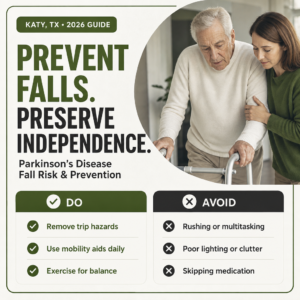
- Remove all throw rugs and secure carpet edges
- Install grab bars in bathrooms beside the toilet and shower
- Use non-slip mats in the shower and on bathroom floors
- Ensure all staircases have secure handrails on both sides
- Keep pathways between rooms clear and well-lit at all times
- Consider a hospital-style bed with adjustable height and side rails
Footwear and Clothing
Non-slip soled shoes worn indoors reduce fall incidents significantly. Avoid loose-fitting clothing that can catch on furniture or create tripping hazards.
5. Medication Safety and Dementia: What Families Must Know
Medication errors are one of the most underappreciated dementia safety risks. They are also among the most preventable — with the right systems in place.
The Scale of Medication Errors
A 2024 study published in the Journal of the American Geriatrics Society found that nearly 40% of community-dwelling dementia patients experienced at least one significant medication error in a 12-month period. These range from missed doses to dangerous drug interactions caused by taking medications out of sequence.
Safe Medication Management at Home
- Use a locked, automatic pill dispenser that releases doses at scheduled times
- Keep a single, updated medication list visible for all caregivers
- Never leave large quantities of medications accessible
- Conduct a quarterly medication review with the prescribing physician
When Professional Oversight Is Needed
Certified Medication Aides (CMAs) in licensed Texas assisted living and memory care communities — like Evergreen Cottages in Katy — are trained specifically in dementia medication protocols. This oversight eliminates the most dangerous medication errors entirely.
6. Kitchen and Bathroom Safety Modifications
The kitchen and bathroom are statistically the two most dangerous rooms in the home for a person with dementia. Modifying both spaces is not optional — it is essential dementia safety practice.
Kitchen Safety
Stove fires started by people with dementia are a significant cause of home fires in the U.S. Disabling or replacing stovetops with induction models that shut off automatically, using knob covers, and locking cabinets containing knives, cleaning products, and alcohol are foundational steps. A small appliance lockout — using outlet covers and appliance latches — adds another layer of protection.
Bathroom Safety
Set the water heater to no higher than 120°F to prevent scalding. Install a walk-in shower if possible, or add a shower seat and a handheld showerhead. Lock medicine cabinets — even items as innocuous as mouthwash can be dangerous if consumed in quantity.
General Lockout Strategy
A systematic "lock, remove, or replace" audit — conducted by someone who has not grown accustomed to the home's existing layout — is far more effective than a casual walkthrough. Consider hiring a certified aging-in-place specialist (CAPS) for a professional assessment.
7. Sundowning and Evening Dementia Safety Risks
Sundowning — the pattern of increased confusion, agitation, and behavioral disruption that occurs in the late afternoon and evening — creates a distinct and predictable window of elevated dementia safety risk each day.
What Sundowning Looks Like
During sundowning episodes, a person with dementia may become highly agitated, attempt to leave the home, accuse caregivers of harmful intent, or become physically combative. The Alzheimer's Association estimates that up to 20% of people with Alzheimer's experience sundowning symptoms regularly.
Safety Strategies During Evening Hours
- Ensure the home is brightly lit from mid-afternoon onward to reduce shadow disorientation
- Limit caffeine after noon and encourage light physical activity in the morning
- Create a calming pre-dinner routine with familiar music or gentle activity
- Secure all exits before the sundowning window begins — typically 3 to 8 p.m.
When Sundowning Becomes Unmanageable
When sundowning episodes become daily and result in physical risk to the person or the caregiver, the environment has exceeded what home care can safely manage. Memory care communities use structured evening programming specifically designed to minimize sundowning triggers.
8. Driving and Dementia: A Safety Line That Cannot Be Crossed
Driving with dementia is not a gray area — it is a dementia safety crisis that endangers not only the driver but every other person on the road. Yet it is one of the most emotionally charged conversations families face.
How Dementia Impairs Driving
Dementia progressively compromises reaction time, spatial judgment, decision-making under pressure, and the ability to follow a route. According to the AAA Foundation for Traffic Safety, drivers with dementia have crash rates up to five times higher than age-matched drivers without cognitive impairment.
How to Have the Conversation
Involve the primary care physician early — a medical recommendation to stop driving carries far more weight than a family request. If resistance continues, consult with the Texas Department of Motor Vehicles or request a formal driving evaluation through a certified driver rehabilitation specialist.
Practical Steps After Keys Are Surrendered
In Katy, TX, transportation alternatives for seniors include medical transport services, rideshare programs through local Area Agencies on Aging, and community van services. Maintaining a sense of independence through planned outings with family remains important for emotional wellbeing.
9. Technology Tools That Strengthen Dementia Safety
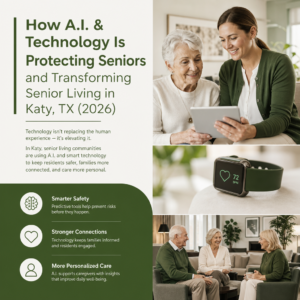
Technology cannot replace human caregiving, but the right tools can meaningfully extend safety and provide families in Katy with critical peace of mind between in-person visits.
GPS and Location Tracking
Wearable GPS devices — worn as a watch, shoe insert, or pendant — allow family members to track location in real time and receive alerts if a loved one exits a geofenced area. Brands like AngelSense and GPS SmartSole are widely used in dementia care settings.
Smart Home Monitoring
Motion sensor systems can detect unusual nighttime movement, alert caregivers to falls, and confirm daily routines (such as whether the refrigerator was opened). Video monitoring in common areas — with consent and dignity as guiding principles — adds another layer of oversight.
Medication Management Technology
Automated pill dispensers with cellular alerts notify caregivers when a dose is missed. Some systems lock all compartments except the current dose, preventing accidental double dosing — one of the most common and dangerous medication safety failures at home.
10. Caregiver Safety and Burnout: The Hidden Risk
Dementia safety does not exist in isolation — it depends entirely on a caregiver who is functional, alert, and not operating at the edge of their physical and emotional capacity. Caregiver burnout is a direct dementia safety threat.
The Statistics Are Sobering
According to the Alzheimer's Association, 59% of family caregivers report clinically significant levels of depression. More than 70% report that caregiving has impacted their own health. An exhausted caregiver who falls asleep while supervising a loved one is not a moral failure — it is a predictable physiological outcome of an unsustainable workload.
Protecting Caregiver Health
- Use respite care — even a few hours weekly — to recover mental reserves
- Connect with a local caregiver support group (Fort Bend County has several active groups)
- Be honest with your loved one's physician about what you are managing
- Recognize that asking for help is an act of love, not abandonment
When the Caregiver Becomes the Risk
If you are finding yourself unable to stay awake during overnight supervision, skipping your own medications or appointments, or feeling a loss of patience that frightens you — your loved one's safety is already being affected. This is not a judgment. It is a call to action.
11. When Home Is No Longer Safe: Recognizing the Signs
One of the most common things families in Katy tell us is: "We waited too long." Recognizing the threshold at which home is no longer a safe environment is not a betrayal — it is the most responsible act of caregiving you can perform.
Clear Warning Signs
- Your loved one has wandered or attempted to leave unsupervised more than once
- They have left cooking appliances on unsupervised
- Falls have become frequent, or a fall has resulted in an injury
- They are not eating or hydrating consistently without direct supervision
- Medication errors have resulted in health consequences
- The primary caregiver is showing signs of clinical burnout
The Conversation No One Wants to Start
LeadingAge research consistently shows that families delay placement in professional memory care by an average of six to twelve months past the point where care needs exceed what home can provide. That delay carries real safety consequences.
What the Research Says About Timing
Earlier transitions to memory care — before a crisis forces the decision — are associated with better adjustment, less trauma for both the resident and the family, and lower caregiver health impacts, according to the National Investment Center for Seniors Housing & Care (NIC) 2025 Consumer Research Report.
12. How Memory Care Communities Provide Superior Dementia Safety
Professional memory care communities are purpose-built around dementia safety in ways that a modified home — no matter how carefully adapted — simply cannot replicate.
Structural Safety Features
At Evergreen Cottages in Katy, TX, every aspect of the physical environment is designed with dementia safety as the primary variable. Secured perimeters with keypad exits, non-institutional layout that reduces disorientation, consistent lighting that minimizes shadowing, and a cottage-style design that feels like home rather than a facility all work together to reduce risk.
Staffing and Supervision
Unlike home settings where supervision is intermittent, memory care communities provide trained staff 24 hours a day. Team members at Evergreen Cottages are trained in dementia-specific behavioral approaches, de-escalation techniques, and fall prevention protocols — every shift, every day.
Programmatic Safety
Structured daily programming — from morning exercise to therapeutic activities in the afternoon — reduces the restlessness and behavioral risk that drive wandering and sundowning incidents. According to ALFA (Assisted Living Federation of America), residents in structured memory care programs experience up to 40% fewer behavioral safety incidents than those receiving home care.
| Safety Feature | Home Setting | Evergreen Cottages Memory Care |
|---|---|---|
| 24/7 Supervision | Rarely achievable | Always present |
| Wandering Prevention | Locks and alarms | Secured environment + trained staff |
| Medication Management | Family or visiting nurse | Certified Medication Aide every dose |
| Fall Risk Reduction | Modifications only | Design + staff + monitoring |
| Emergency Response | 911 (minutes away) | On-site staff, immediate response |
13. Frequently Asked Questions About Dementia Safety
Here are direct, concise answers to the questions Katy families ask us most often about dementia safety.
What is the single most important dementia safety step I can take today?
Conduct a room-by-room safety audit of your home and address wandering risks first — secure all exterior exits with alarms or door covers. Wandering in Katy's heat is immediately life-threatening. If you are not sure where to start, contact Evergreen Cottages for a free family consultation.
At what stage of dementia does safety become a serious concern?
Safety risks emerge as early as mild cognitive impairment, but they escalate significantly in the moderate stage, when judgment, spatial awareness, and impulse control are more severely affected. Most families underestimate how quickly the moderate stage arrives. Early planning is always safer than reactive planning.
Is it safe to leave a person with dementia alone for a few hours?
In the early stages, brief periods of supervised independence may be appropriate with safeguards in place. In moderate-to-late dementia, leaving a person alone — even briefly — poses serious risks including falls, stove fires, wandering, and medication errors. Assess the current stage carefully with the primary care physician.
How do I talk to my parent about dementia safety without starting a fight?
Frame the conversation around your needs rather than their limitations: "I worry about you, and I want to feel calm when I'm not here." Involve their physician, as medical guidance carries more authority with many older adults. The Alzheimer's Association's communication guides are an excellent resource for these conversations.
Does Evergreen Cottages in Katy, TX offer secured memory care for wandering prevention?
Yes. Evergreen Cottages provides a fully secured memory care environment with trained staff available 24 hours a day. The cottage-style design and structured daily programming work together to reduce wandering behaviors while preserving dignity, comfort, and quality of life for every resident.
What's the difference between dementia safety and memory care?
Dementia safety refers to the broad set of practices and strategies used to protect people with dementia from harm. Memory care is a specialized form of residential senior living specifically designed to deliver those safety strategies 24/7 within a structured, purpose-built environment — like the program at Evergreen Cottages in Katy, TX.
You Don't Have to Figure This Out Alone
Dementia safety is not a problem you solve once and move on from. It is a continuous, evolving responsibility that demands honesty about what home care can and cannot provide — and the courage to act before a crisis forces the decision.
At Evergreen Cottages in Katy, TX, we have walked alongside hundreds of families at exactly this moment. We know how heavy this decision feels. We also know that when families make the transition to professional memory care with the right information and the right partner, they consistently describe it as the most loving thing they ever did for their parent.
If you have questions — or if you simply want to see what a safe, warm, and truly home-like memory care environment looks like in Katy — we would be honored to welcome you for a personal tour.
Explore More from Evergreen Cottages
Found this guide helpful? Share it with a family member who needs it.
About Ivan Urrego
Ivan Urrego is a professional copywriter and award-winning content strategist specializing exclusively in the senior living industry. His work has been recognized by Argentum, MALA, and other leading national associations in memory care and assisted living. Ivan writes for Evergreen Cottages to help Katy, TX families find clarity, comfort, and confidence when facing a loved one's dementia journey.
Sources
- Alzheimer's Association. 2025 Alzheimer's Disease Facts and Figures. Alzheimer's Association, 2025. alz.org
- National Investment Center for Seniors Housing & Care (NIC). 2025 Consumer Research Report: Dementia Care Decision-Making. NIC, 2025. nic.org
- ALFA (Assisted Living Federation of America) / Argentum. Dementia Care Best Practices in Assisted Living. Argentum, 2024. argentum.org
- LeadingAge. Caregiver Stress and Memory Care Transition Timing Research. LeadingAge, 2024. leadingage.org
- Centers for Disease Control and Prevention (CDC). Falls Among Older Adults: An Overview. CDC National Center for Injury Prevention and Control, 2025. cdc.gov
- AAA Foundation for Traffic Safety. Cognitive Impairment and Driving Risk in Older Adults. AAA Foundation, 2024. aaafoundation.org