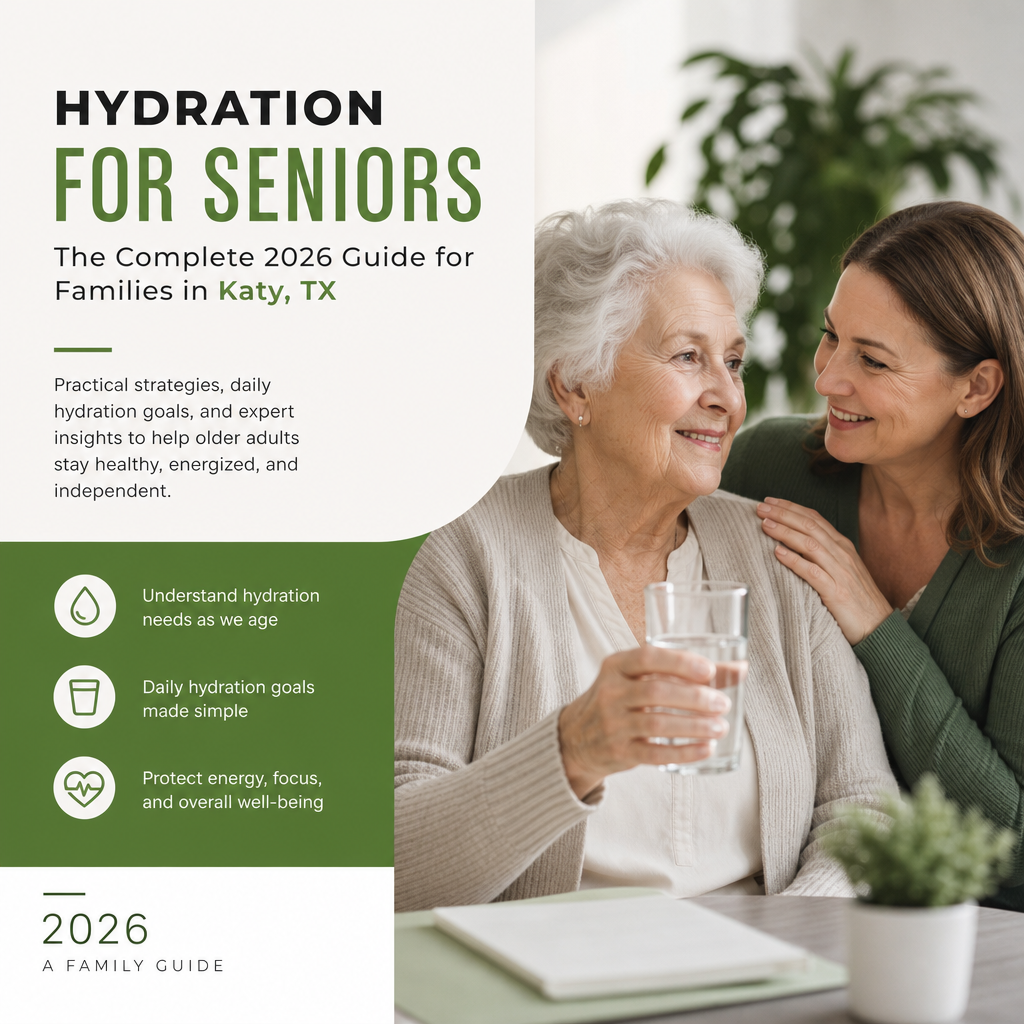
Hydration for Seniors: The Complete 2026 Guide for Families in Katy, TX
By Ivan Urrego | Last updated: May 2026 | Evergreen Cottages Blog
Ivan Urrego is a professional copywriter and award-winning contributor to Argentum, MALA, and other leading senior living associations, with more than a decade of expertise translating clinical care research into guidance families can actually use. He writes exclusively for Evergreen Cottages, a memory care and assisted living community serving the Katy, TX area.
Why Hydration for Seniors Matters More Than Most Families Realize
Hydration for seniors is not simply about drinking enough water — it is a fundamental pillar of physical health, cognitive function, and quality of life for every older adult. Even mild dehydration can trigger confusion, falls, kidney strain, and dangerous medication interactions in people over 65, making it one of the most critical and under-monitored health factors in senior care.
If you are an adult child in the Katy, TX area researching care options for a parent or grandparent, you may be surprised to learn that dehydration is one of the leading causes of hospitalizations among seniors in the United States. According to the Centers for Disease Control and Prevention (CDC), dehydration accounts for approximately 1.7 million emergency room visits annually among adults aged 65 and older — and a significant portion of those cases were preventable with attentive daily care.
The challenge is that most families do not notice dehydration until it becomes a crisis. Unlike a broken bone or a fever, low fluid intake is invisible. Your loved one may look fine at Sunday dinner and be admitted to the hospital by Tuesday with a kidney-related emergency, a severe urinary tract infection, or a sudden and alarming episode of confusion that may look — and be mistakenly treated as — a dementia symptom when it is actually a hydration-driven crisis.
Why Seniors Are Uniquely Vulnerable to Dehydration
Older adults experience multiple physiological changes that put them at a structural disadvantage when it comes to maintaining proper fluid balance. The thirst mechanism — the body's built-in alarm system that tells you to drink — becomes significantly less reliable after age 65. This means your parent or grandparent may genuinely not feel thirsty even when they are already clinically dehydrated. The body is sending out no distress signal, yet the damage is quietly accumulating.
The Emotional Weight Families Carry
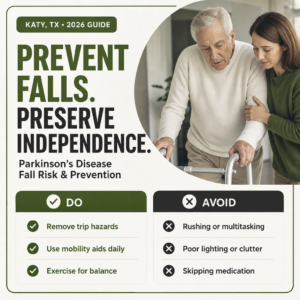
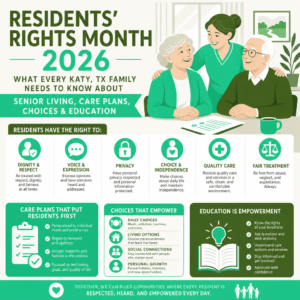
We know how overwhelming it can feel to monitor every aspect of a parent's health, especially if you are balancing work, your own family, and the emotional toll of watching someone you love change. Something as seemingly simple as hydration can feel like one more thing to worry about. But understanding it — truly understanding it — gives you one of the most powerful preventive tools available. And when professional care is involved, as it is at Evergreen Cottages' Assisted Living program right here in Katy, TX, this vigilance becomes part of the daily rhythm of care.
Hydration Across the Spectrum of Senior Care
Whether your loved one is managing independently at home, in assisted living, or in a specialized memory care environment, hydration needs are real and require intentional attention. The level of support they can access, however, varies dramatically — and that difference can be life-changing.
The Biology of Dehydration: How Aging Changes Everything
To understand why hydration for seniors demands special attention, it helps to understand what aging actually does to the human body's fluid regulation systems. The aging process introduces several compounding biological changes that make maintaining healthy hydration dramatically harder than it is for younger adults.
Decreased Total Body Water
The human body is roughly 60% water in young adulthood. By age 70, total body water content can decline to approximately 50–55%, according to research published by the National Institutes of Health (NIH). This means older adults start with a smaller reservoir — and even a modest loss of fluid represents a much higher percentage of their total water supply. Put simply, your parent's body has less room for error when it comes to fluid balance.
Diminished Kidney Function
The kidneys play a central role in regulating fluid balance, concentrating urine when dehydration occurs, and conserving water for the body's most critical functions. After age 65, kidney filtration efficiency — known as the glomerular filtration rate (GFR) — declines progressively. Older kidneys are less effective at concentrating urine and conserving fluids, making seniors more vulnerable to both dehydration and electrolyte imbalances, such as low sodium (hyponatremia) or high sodium (hypernatremia), both of which can cause severe neurological symptoms.
Blunted Thirst Sensation
In healthy younger adults, the hypothalamus — the brain's thirst control center — signals the body to drink well before dehydration becomes a problem. In older adults, this signaling pathway is measurably less sensitive. A landmark study published in the Journal of Physiology found that older adults showed significantly reduced thirst response to the same level of water deprivation that would cause intense thirst in younger individuals. This blunted sensation is not a personality trait or stubbornness — it is biology. Telling a senior to "drink more water" without structural reminders and encouragement is likely to be ineffective.
Hormonal and Skin-Level Changes
Antidiuretic hormone (ADH), which helps the kidneys retain water, is secreted differently as people age — leading to what researchers call "impaired renal concentrating ability." Additionally, aging skin loses some of its ability to conserve moisture, and sweat gland efficiency changes, making seniors simultaneously more likely to lose fluids in the heat of a Katy, TX summer and less likely to recognize when they have lost them.
| Biological Factor | Effect in Young Adults | Effect in Seniors (65+) |
|---|---|---|
| Total body water | ~60% of body weight | ~50–55% of body weight |
| Thirst sensation | Reliably triggered by mild dehydration | Significantly blunted; may not trigger |
| Kidney concentration ability | High; conserves fluids effectively | Reduced GFR; less efficient conservation |
| ADH sensitivity | Normal hormonal regulation | Impaired release and kidney response |
| Skin moisture retention | Effective barrier function | Reduced; increases passive fluid loss |
Hydration for Seniors in Katy, TX: The Climate Makes It Even More Critical
Living in Katy, TX introduces a specific and significant environmental risk factor for senior dehydration: the heat. Katy sits in the greater Houston metro area, where summer temperatures routinely exceed 95°F, humidity levels regularly top 80%, and the "feels like" temperature — the heat index — can reach well above 105°F from June through September. For seniors, this is not an inconvenience. It is a genuine health hazard.
Heat and Dehydration: A Dangerous Cycle
When temperatures rise, the body increases sweat production to regulate its core temperature. In younger adults, this process works efficiently. In seniors — whose sweat glands are less responsive and whose thirst sensation is already blunted — this thermoregulatory process is impaired. They sweat less, feel less thirsty, and may not recognize the heat's toll on their bodies until they are already significantly fluid-depleted. The CDC's National Environmental Public Health Tracking Network identifies adults over 65 as the single most vulnerable population for heat-related illness and heat-related hospitalization in the southern United States.
Outdoor Activity in the Katy Summer
Many seniors in the Katy area enjoy outdoor time — whether it is walking in a neighborhood park, tending a small garden, sitting on a patio, or attending outdoor community events. All of these activities, even brief ones, carry meaningful dehydration risk during Katy's long, oppressive summers. Even a 15-minute walk on a humid July morning can cause fluid losses that a senior's body will not register as thirst for hours, if at all.
Year-Round Risk in the Houston Suburbs
It is important to note that dehydration risk in Katy, TX is not limited to the summer months. The subtropical climate means that even in October and April, afternoon temperatures and humidity levels can be high enough to accelerate fluid loss in older adults. Families should not assume that "cooler weather" translates to low dehydration risk — vigilance should be year-round.
Warning Signs of Dehydration in Seniors
The warning signs of dehydration in seniors are often subtle, easily mistaken for normal aging, or — most dangerously — confused with symptoms of dementia, medication side effects, or depression. Knowing what to look for is one of the most practical and powerful things a family caregiver can do.
Early and Moderate Warning Signs
In the early to moderate stages of dehydration, your loved one may exhibit:
- Darker yellow or amber-colored urine (normal hydrated urine is pale yellow)
- Reduced urinary frequency — urinating fewer than 3–4 times per day
- Dry mouth or cracked lips
- Fatigue and low energy that is unusual or out of proportion to activity level
- Mild headache or dizziness, especially when standing up quickly (orthostatic hypotension)
- Constipation — inadequate fluid intake is one of the most common causes of chronic constipation in seniors
- Decreased skin elasticity — when gently pinched, dehydrated skin returns to position more slowly (note: this test is less reliable in seniors due to age-related skin changes)
Severe Warning Signs — Act Immediately
Severe dehydration in a senior is a medical emergency. Call 911 or go to urgent care if you observe:
- Sudden confusion or disorientation — this is one of the most alarming and common presentations in older adults
- Rapid heart rate or palpitations
- Sunken eyes
- Extreme lethargy or difficulty staying awake
- Inability to stand without assistance
- No urination for 8 or more hours
- Loss of consciousness
Cognitive and Behavioral Changes Related to Dehydration
Research published in the British Journal of Nutrition and cited by the Alzheimer's Association demonstrates that even a 1–2% loss of total body water can impair cognitive performance in older adults — affecting memory, attention, and processing speed. Families of loved ones with early or moderate dementia may notice what appears to be a sudden "bad day" cognitively, when the underlying cause is actually inadequate fluid intake that morning or the day before.
| Dehydration Level | % Body Water Lost | Common Symptoms in Seniors | Action Required |
|---|---|---|---|
| Mild | 1–2% | Fatigue, headache, dry mouth, darker urine | Encourage fluids; monitor closely |
| Moderate | 3–5% | Dizziness, confusion, reduced urination, constipation | Oral rehydration; consult physician if persistent |
| Severe | 6–8%+ | Extreme confusion, rapid heartbeat, inability to stand, no urine output | Emergency medical care — call 911 |
Why Hydration for Seniors With Dementia or Alzheimer's Is Especially Complex
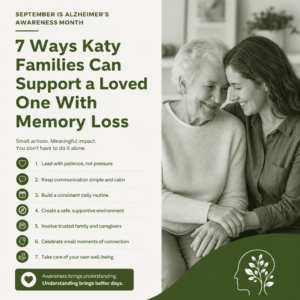
For seniors living with Alzheimer's disease or other forms of dementia, maintaining adequate hydration is not just harder — it is a profoundly different challenge that requires specialized care, deep patience, and purpose-built daily routines. Standard reminders and self-monitoring strategies that work for cognitively intact seniors are simply not effective when memory and executive function are impaired.
Why Dementia Disrupts Fluid Intake
A person living with Alzheimer's disease or vascular dementia may face several cognitive barriers to staying hydrated:
- Forgetting to drink: Short-term memory impairment means your loved one may genuinely not remember whether they drank anything in the past several hours — and may not feel thirsty even if they have not.
- Difficulty communicating thirst: As language skills deteriorate, many dementia patients cannot reliably express that they are thirsty, uncomfortable, or experiencing dehydration symptoms.
- Refusing liquids: Behavioral symptoms of dementia, including agitation, resistance, and apathy, can make offering fluids feel like a confrontation. Forcing fluids is never appropriate; persuading gently with trust-based care is a skilled art.
- Swallowing difficulties (dysphagia): Advanced dementia frequently impairs the swallowing reflex. Thin liquids may become a choking and aspiration risk, requiring specialized thickened fluids and careful meal planning — something that requires trained caregiving staff, not just family intuition.
- Disorientation around meals: Sundowning and other dementia-related behavioral shifts can disrupt meal and fluid routines, leading to periods of the day where a resident simply cannot be reached with a cup of water in a meaningful way.
The Dehydration–Dementia Feedback Loop
Here is the particularly cruel dimension of this challenge: dehydration worsens dementia symptoms, and dementia makes it harder to stay hydrated. A loved one who becomes mildly dehydrated will experience amplified confusion, increased agitation, and reduced ability to communicate — all of which further impair their ability to drink fluids. Families often describe watching this cycle escalate rapidly, unsure whether they are witnessing dementia progression or a crisis that could be addressed with prompt rehydration and medical support.
The Alzheimer's Association 2025 Facts and Figures report notes that behavioral and psychological symptoms of dementia — including agitation, confusion, and sleep disruption — are exacerbated by unaddressed physical health conditions including dehydration. Proper hydration management is not a luxury for dementia care. It is clinical best practice.
Specialized Care Makes the Difference
In a memory care environment like the one at Evergreen Cottages' Memory Care program in Katy, TX, staff are trained specifically to recognize and respond to dehydration risk in residents with cognitive impairment. This includes structured fluid intake schedules, offering preferred beverages in familiar cups, providing foods with high water content, and monitoring output and behavior patterns to catch early signs before they become emergencies.
The Dehydration–UTI Connection Every Family Must Understand
Dehydration is one of the primary risk factors for urinary tract infections (UTIs) in older adults — and UTIs in seniors are far more serious than they are in younger people. For families in Katy, TX caring for an aging parent, understanding this connection can prevent hospitalizations and protect cognitive function.
How Dehydration Enables UTIs
When fluid intake is insufficient, urine becomes more concentrated and less frequent. This means bacteria that enter the urinary tract — which would normally be flushed out by regular urination — have more time to colonize and multiply. The result is a urinary tract infection, which in seniors can rapidly escalate from a mild discomfort to a systemic infection (urosepsis) requiring hospitalization.
According to the National Institute on Aging (NIA), UTIs are among the most common infections in adults over 65, and recurrent UTIs are disproportionately common in women and in people with cognitive impairment. Adequate hydration — consistently maintaining enough fluid intake to produce clear, pale urine — is one of the most effective evidence-based prevention strategies available.
UTIs and Confusion: A Misunderstood Crisis
One of the most alarming aspects of UTIs in older adults, especially those with dementia, is that they frequently present not with classic urinary symptoms — burning, frequency, urgency — but with sudden, severe cognitive changes. A parent who was relatively stable last week may suddenly seem deeply confused, combative, unsteady on their feet, or unable to recognize family members. This is not necessarily a rapid decline in their dementia — it may be a UTI, and it requires immediate medical evaluation.
Hydration as UTI Prevention in Assisted Living
In professional assisted living and memory care communities, UTI prevention through hydration monitoring is a core component of care planning. Staff track fluid intake, watch for early behavioral changes, and coordinate with physicians promptly when symptoms are observed. Families caring for a loved one at home may not have the bandwidth to maintain this level of vigilance — which is one reason why transitioning to professional care at the right time can genuinely be a health-saving decision.
How Much Water Should Seniors Actually Drink? The 2026 Evidence
The universal "eight glasses a day" rule does not apply cleanly to older adults. Hydration for seniors needs to be individualized based on body weight, health conditions, medications, activity level, and climate. Here is what the current evidence says about fluid needs in people over 65.
General Daily Fluid Recommendations for Seniors
The National Academy of Medicine (NAM) recommends that adults over 70 consume approximately:
- Women: 2.7 liters (about 91 oz or ~11.5 cups) of total water per day from all sources
- Men: 3.7 liters (about 125 oz or ~15.5 cups) of total water per day from all sources
Critically, this includes water from all beverages — not just plain water — and from food, which can account for 20–25% of total daily fluid intake. For seniors who struggle to drink plain water, this is an important and reassuring fact: hydration can come from many sources.
Adjustments for Katy, TX Heat and Activity
Living in Katy, TX during the summer months means seniors need more fluids than these baseline recommendations suggest. The CDC recommends increasing fluid intake on days when temperatures exceed 90°F or when any physical activity is planned — even light walking. For frail seniors or those with heart conditions, increasing fluid intake should always be discussed with their physician, as certain cardiac and renal conditions require carefully managed fluid balance.
When Plain Water Is Not Enough
Electrolyte balance matters alongside water consumption. Seniors who sweat significantly, have diarrhea, or vomit need to replace not just water but electrolytes — particularly sodium, potassium, and magnesium. Plain water does not replace electrolytes effectively. Oral rehydration solutions, electrolyte-enriched beverages (low-sugar), broths, and certain fruits are more appropriate choices in these situations.
| Factor | Effect on Fluid Needs | Guidance |
|---|---|---|
| Katy summer heat (95°F+) | Increases fluid loss significantly | Add 2–4 cups on hot days; limit outdoor time |
| Fever or illness | Each degree of fever increases fluid needs ~10% | Consult physician; offer fluids frequently |
| High-sodium diet | Increases water retention needs | Reduce sodium; increase water intake |
| Diuretic medications | Dramatically increases fluid output | Work with physician to balance fluid targets |
| Swallowing difficulty (dysphagia) | Limits safe fluid consumption options | Thickened liquids as prescribed by SLP |
| Kidney disease (CKD) | May require fluid restriction | Physician-guided fluid goals are essential |
Hydrating Foods That Support Senior Fluid Intake
One of the most practical and underutilized strategies for improving hydration for seniors is through food — specifically, foods with very high water content. Many seniors who struggle to drink sufficient fluids can still consume adequate hydration through their meals and snacks, making dietary planning a critical piece of any senior care approach.
Top Hydrating Foods for Older Adults
The following foods carry high water content and are generally gentle on older digestive systems, easy to chew, and palatable for a wide range of preferences:
| Food | Water Content | Additional Nutritional Benefit |
|---|---|---|
| Cucumber | ~96% | Vitamin K, potassium, anti-inflammatory |
| Watermelon | ~92% | Lycopene, vitamin C, natural electrolytes |
| Strawberries | ~91% | Vitamin C, folate, antioxidants |
| Celery | ~95% | Sodium, potassium — natural electrolytes |
| Broth-based soups | ~90–95% | Sodium, minerals; soothing and warming |
| Yogurt (plain) | ~85–88% | Calcium, probiotics, protein |
| Oranges | ~87% | Vitamin C, folate, potassium |
| Peaches | ~89% | Vitamins A and C, fiber |
| Cooked oatmeal | ~84% | Fiber, B vitamins, magnesium |
| Iceberg/Romaine lettuce | ~94–96% | Vitamin K, folate, fiber |
Beverages Beyond Water
Many seniors simply do not enjoy drinking plain water — and that is okay. All of the following count meaningfully toward daily fluid intake:
- Herbal teas (decaf varieties are preferable to minimize diuretic effects)
- Milk and plant-based milks (high in calcium and protein, ~87% water)
- Low-sodium vegetable or chicken broth
- Fruit-infused water (cucumber-mint, lemon-ginger — these can improve palatability dramatically)
- Smoothies (especially those incorporating hydrating fruits and yogurt)
- 100% fruit juice (in moderation due to sugar content — limit to 4 oz per serving)
- Gelatin and pudding (particularly useful for seniors with mild dysphagia)
Foods to Limit for Better Hydration Balance
Certain foods and beverages actively work against hydration. Encourage your loved one to limit — not necessarily eliminate — the following:
- Alcohol: A significant diuretic that increases urinary output and impairs thirst sensation
- High-sodium processed foods: Draw water from cells and increase thirst without improving hydration
- High-caffeine beverages in excess: Moderate caffeine intake (1–2 cups of coffee or tea) has minimal diuretic effect, but excessive consumption can contribute to fluid loss
Practical Hydration Strategies for Caregivers and Families
Knowing that hydration for seniors is critical is one thing — actually making it happen day after day, in the context of caregiving demands and a loved one's resistance or cognitive limitations, is another challenge entirely. These strategies are grounded in evidence and shaped by real caregiving experience.
Build a Fluid Schedule Into the Day
Rather than relying on thirst — which, as we have established, is not reliable in seniors — build fluid intake into a predictable daily schedule. Tying hydration to existing routines dramatically improves consistency:
- Wake-up: A full glass of water (or preferred beverage) upon rising — before coffee, before breakfast
- With each meal: A full 8-oz beverage with every meal, including snacks
- Mid-morning and mid-afternoon: Scheduled fluid breaks between meals — herbal tea, infused water, or a small smoothie
- Before bed: A small glass of water or decaf herbal tea (monitor carefully if nighttime urination disrupts sleep or creates fall risk)
Make Fluids More Appealing
Presentation matters enormously for seniors with reduced appetite or sensory changes. Simple strategies that caregivers and families swear by include:
- Using a favorite cup or glass — a treasured mug from home can make the act of drinking feel comforting and familiar
- Fruit infusions: Dropping a few slices of lemon, cucumber, or berries into a pitcher of water adds flavor without sugar or calories
- Serving beverages at the preferred temperature — many older adults prefer room-temperature or warm beverages over ice-cold drinks
- Offering choices: "Would you like water or some lemonade?" gives a sense of control and autonomy, which is especially important for seniors who feel they have lost much of it
- Popsicles and frozen fruit: For seniors who struggle with drinking, frozen treats made from real fruit juice offer hydration in a form that is often enthusiastically accepted
Use Technology and Visual Cues
For seniors living at home or in early-stage cognitive decline, simple technological tools can help:
- Hydration reminder apps or smartphone alarms set at regular intervals
- A marked water bottle showing volume goals for different times of day
- Sticky note reminders in visible locations (on the refrigerator door, beside the bed, on the TV remote)
- Hydration tracking charts — simple paper logs that provide a visual record and sense of accomplishment
Caregiver Self-Care and Realistic Expectations
If you are a family caregiver monitoring a parent's fluid intake on top of everything else you manage, please give yourself permission to be imperfect. No family caregiver maintains a clinical standard of hydration monitoring every single day. When the burden becomes too heavy, or when your loved one's hydration needs are beyond what you can safely manage at home, seeking professional support — whether through home care, adult day services, or transitioning to an assisted living or memory care community in Katy, TX — is not failure. It is wisdom.
Medications, Diuretics, and Their Impact on Senior Hydration
Medications are one of the most significant and least-discussed contributors to dehydration risk in seniors. Many of the most commonly prescribed drugs for older adults — including those for heart disease, blood pressure, diabetes, and edema — directly increase fluid loss, reduce the sensation of thirst, or alter how the kidneys process water and electrolytes.
Common Medications That Increase Dehydration Risk
If your loved one takes any of the following medication categories, their daily fluid needs may be higher than average, and their dehydration risk is elevated — especially during Katy's hot months:
| Medication Class | Common Examples | Hydration Impact |
|---|---|---|
| Diuretics ("water pills") | Furosemide (Lasix), Hydrochlorothiazide, Spironolactone | Significantly increase urinary output; major dehydration and electrolyte imbalance risk |
| ACE Inhibitors / ARBs | Lisinopril, Losartan, Enalapril | Can affect kidney fluid handling; interact with diuretics to amplify fluid loss |
| Laxatives | Miralax, Bisacodyl, Senna | Increase fluid loss through the GI tract; chronic use requires increased fluid intake |
| Antidepressants (SSRIs/SNRIs) | Sertraline, Escitalopram, Venlafaxine | Can cause hyponatremia (low sodium) — a serious electrolyte imbalance related to fluid dysregulation |
| Anticholinergics | Oxybutynin, Diphenhydramine (Benadryl), some antipsychotics | Reduce saliva and mucous membrane moisture; increase sensation of dry mouth |
| Diabetes medications | Metformin, SGLT2 inhibitors (Jardiance, Farxiga) | SGLT2 inhibitors specifically increase urinary glucose and water excretion |
The Polypharmacy Problem
Polypharmacy — the simultaneous use of five or more medications, which is extremely common in adults over 65 — dramatically compounds dehydration risk. Each medication may have only a modest individual effect on fluid balance, but the combined effect across a typical senior's medication list can be substantial. The National Institute on Aging notes that approximately 42% of Americans over 65 take five or more prescription medications daily. Understanding how your loved one's specific medication regimen affects their hydration is a conversation worth having with their physician or pharmacist.
Working With the Care Team
If your loved one is in an assisted living or memory care community, the medication management team should be aware of hydration implications and adjust fluid intake goals accordingly. At Evergreen Cottages, our care team coordinates closely with physicians and pharmacists to ensure that medication schedules and fluid goals are aligned for each resident's individual health profile.
How Evergreen Cottages Prioritizes Hydration for Seniors in Katy, TX
At Evergreen Cottages in Katy, TX, hydration is not an afterthought — it is woven into the daily rhythm of care, meals, activities, and resident interactions. Families who come to tour our community often tell us they had no idea how much intentional structure goes into something as seemingly basic as helping residents stay hydrated. Here is what that actually looks like.
Structured Fluid Intake Throughout the Day
Our caregivers follow individualized care plans that include specific fluid intake goals for each resident. Hydration opportunities are built into every point of the day — morning wake-up, each meal, mid-morning and afternoon activity breaks, and evening routines. Residents are never left to self-monitor and self-initiate their fluid intake, because for most of our residents with memory care or assisted living needs, self-monitoring is precisely where the challenge lies.
Preferred Beverages, Familiar Cups, and Comfort-Centered Approach
We know that getting a resident with Alzheimer's or dementia to drink a glass of water they find unappealing can be a significant behavioral challenge. Our team takes the time to learn each resident's preferred beverages — whether that is sweet tea, lemonade, warm decaf coffee, or fruit juice — and to offer fluids in familiar, comfortable settings. This resident-centered approach, grounded in the principles that guide our care philosophy at Evergreen Cottages, reflects the belief that dignity and personhood should be the foundation of every care interaction.
Hydration and Nutrition as a Daily Living Priority
Our daily living program includes nutritionally rich meals prepared with hydration in mind — incorporating water-rich fruits and vegetables, soups, and smoothies alongside meals. Our kitchen team understands the dietary needs of older adults in a hot climate and prepares menus that actively support fluid balance, not just caloric goals. This is particularly important during Katy, TX's summer months, when passive fluid loss through perspiration and respiration is elevated even without formal outdoor activity.
Monitoring, Documentation, and Family Communication
When behavioral changes or physical symptoms suggest possible dehydration — increased confusion, decreased urination, behavioral agitation — our team documents and communicates these observations promptly, both internally to our nursing staff and outward to families. We believe families deserve to be partners in their loved one's care, not passive bystanders. Our family resources are designed to keep you informed, educated, and